Your cart is currently empty!
Pre-Market Briefing & Execution Log | 2026-10-16
Part 1: Previous Session Review
Yesterday was a controlled session rather than an aggressive one. We closed with 6 trades, 4 winners and 2 losers, finishing at +25.5 net pips across USDJPY, EURGBP, EURCHF, GBPJPY, AUDUSD and GBPUSD.
The main positive was consistency: losses were contained, and the winning trades did the necessary work without forcing exposure late in the day. That matters more than the headline pip total. In a mixed FX tape, the priority was to take clean setups, avoid chasing stretched moves, and keep risk aligned with the quality of the opportunity.
Crosses such as EURGBP and EURCHF remained useful for cleaner technical reads, while yen and sterling pairs required more patience due to sharper intraday swings. Overall, it was a constructive session, but not one that justifies increasing size blindly today.
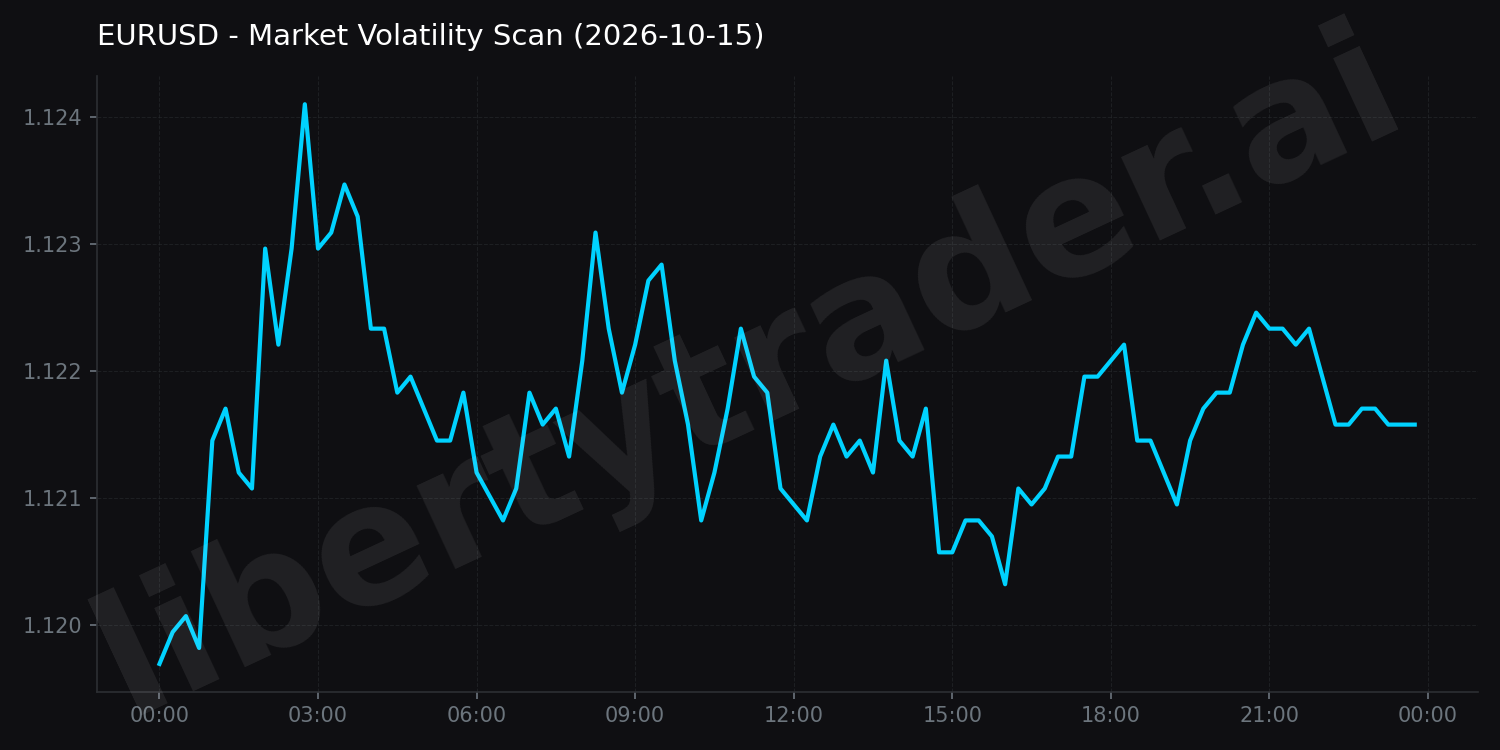
Part 2: Today’s Outlook & Watchlist
There is no high-impact red news scheduled today, so the market may lean more heavily on technical structure, liquidity pockets and broader risk sentiment. That does not mean volatility disappears; it simply means we are less likely to get a single scheduled catalyst that resets direction across the board.
USDJPY remains one of the key assets to watch. Without major data on the calendar, traders should pay attention to whether the pair respects prior session highs and lows, especially if U.S. yields move quietly in the background. A clean break can still produce momentum, but false breaks are more common on quieter calendar days.
GBPUSD is also worth monitoring. Sterling pairs have shown decent intraday movement, but the better trades may come from waiting for price to settle around support or resistance rather than entering in the middle of the range. If liquidity is thinner, patience is the edge.
For today, the plan is straightforward: trade smaller if conditions are slow, avoid forcing entries before London and New York liquidity develops, and keep profit targets realistic. In a no-red-news environment, discipline around entry quality and stop placement is usually more valuable than predicting a large directional move.