Your cart is currently empty!
Pre-Market Briefing & Execution Log | 2026-05-20
Part 1: Previous Session Review
Yesterday’s session was productive, but not one-sided. We took three trades across USDJPY, EURUSD and GBPUSD, finishing with one win, one loss and a net gain of 23.8 pips. The result was solid because the book stayed controlled: no chasing after the losing trade and no over-sizing into late-session noise.
Price action in the majors remained headline-sensitive, with the dollar still reacting to shifting rate expectations. USDJPY continued to respect yield-driven flows, while EURUSD and GBPUSD offered cleaner intraday rotations when liquidity was present. The main lesson from the session was straightforward: wait for structure, take the clean setup, and leave the low-quality middle of the range alone.
Part 2: Today’s Outlook & Watchlist
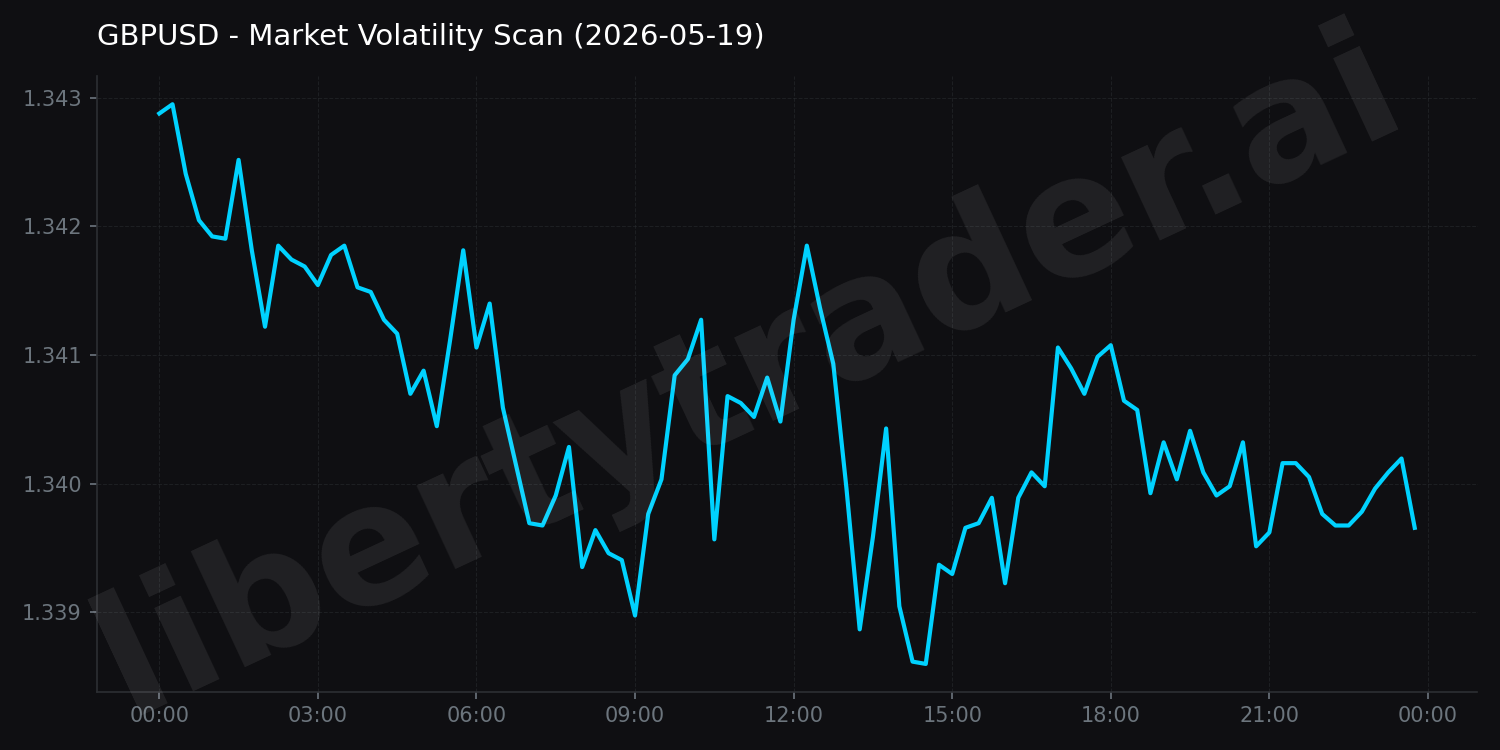
Today brings several high-impact releases, so the plan is to reduce assumptions and let the data set the tone. At 02:00 UTC, UK CPI y/y can move sterling sharply. GBPUSD is the first asset on watch; a hotter inflation print may support the pound on renewed Bank of England repricing, while a softer number could pressure rallies and bring downside liquidity into focus.
The 14:00 UTC FOMC Meeting Minutes are the key dollar event. Markets will look for any change in language around inflation persistence, growth risks and the timing of policy easing. A more cautious Fed tone could keep USD bids alive, while a softer read may encourage short-term dollar selling.
Later, Australia releases Employment Change and the Unemployment Rate at 21:30 UTC. AUDUSD is the second asset on watch. Labour data can shift expectations for the Reserve Bank of Australia, but spreads and liquidity can be poor at that hour, so confirmation after the first spike matters.
Risk approach: avoid entering directly into the release unless the strategy specifically allows it. We prefer post-news structure, defined invalidation and smaller size where volatility is elevated. The best trades today are likely to come after the first reaction, not during it.