Your cart is currently empty!
Pre-Market Briefing & Execution Log | 2026-04-15
Previous Session Review
Yesterday was a small but clean reminder that not every session rewards participation. We took two trades across EURUSD and SOLUSD and closed the day down 11.7 pips, with both setups failing to follow through after entry. There was no major structural damage in the broader market, but intraday conviction was weak and price action lacked the kind of continuation needed to carry directional trades. EURUSD remained choppy around short-term liquidity, while SOLUSD showed unstable momentum and poor hold after the initial push.
From a risk perspective, this was manageable damage rather than a meaningful setback. Sessions like this matter because they reinforce discipline: when follow-through is thin, protecting capital is more important than forcing recovery trades. The loss was contained, and that keeps us in position for higher-quality opportunity when volatility and direction align more cleanly.
Today’s Outlook & Watchlist
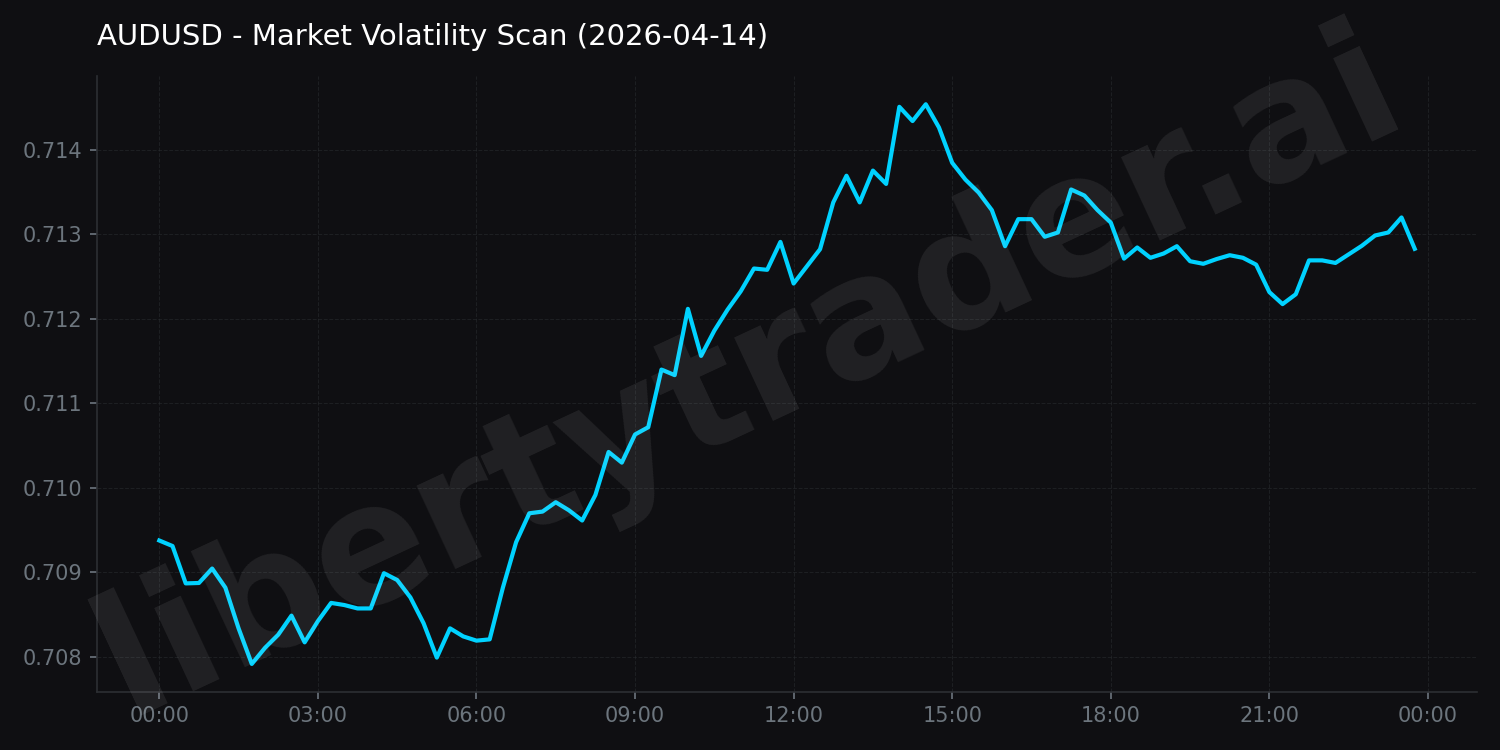
Today’s main event is the Australian labor data at 21:30 UTC, with Employment Change and the Unemployment Rate both due at the same time. This is high-impact AUD news and can create sharp repricing across FX, especially if the two figures send a clear message on labor market strength or weakness. If employment beats and unemployment holds steady or improves, the market may read that as supportive for the Australian dollar. If jobs disappoint and the unemployment rate rises, AUD could come under immediate pressure.
The primary watchlist asset is AUDUSD. This is the most direct expression of the release, and the first move after the data will matter less than whether price can hold above or below key intraday levels once spreads normalize. A fast spike without acceptance often fades, so patience in the first few minutes is important. The secondary asset to monitor is EURAUD, particularly if the data produces a strong one-sided AUD reaction. Crosses can sometimes offer cleaner continuation than the headline USD pair.
For execution, the focus should stay on post-news structure rather than prediction. Let the release hit, observe whether price accepts the move, and only then assess continuation or reversal conditions. On labor data, false breaks are common when the headline and unemployment components conflict. If the numbers align, momentum may be cleaner. If they diverge, expect whipsaw conditions and reduced edge.