Your cart is currently empty!
Weekly Crypto Recap & Execution Log | 2026-04-11
Part 1: Friday Session Review
Friday was a light session from a trade-count perspective, but not from a price-action perspective. We logged two trades across NAS100 and EURUSD, finishing with a net result of 91.9 pips despite a mixed win-loss profile. That kind of outcome usually tells you the same old truth: trade quality matters more than trade quantity, and one well-managed move can still carry the day even when the hit rate is not clean.
With no major high-impact data on the calendar, the session was driven more by positioning, technical reactions, and liquidity behavior than by headline catalysts. In that environment, markets often look calm on the surface but can still produce sharp intraday rotations, especially around key levels where short-term traders are forced to adjust. That was visible in both index and FX behavior, where follow-through required patience and entries needed to be selective rather than aggressive.
The practical takeaway from the session is straightforward. When the macro calendar is quiet, traders should not confuse the absence of news with the absence of risk. Thin narrative flow can create choppier structure, false breaks, and uneven momentum. Friday rewarded discipline more than prediction. Protecting capital, waiting for cleaner confirmation, and managing around liquidity pockets remained the right approach heading into the weekend.
Part 2: Weekly Crypto Recap
This week in crypto was mainly about whether the majors could hold structure after recent upside attempts. Bitcoin, Ethereum, and Solana all traded with the same broad theme: buyers were still present, but conviction was not uniform from one session to the next. That produced a market that remained tradable, yet far from carefree. Moves extended, but they often needed to survive pullbacks first.
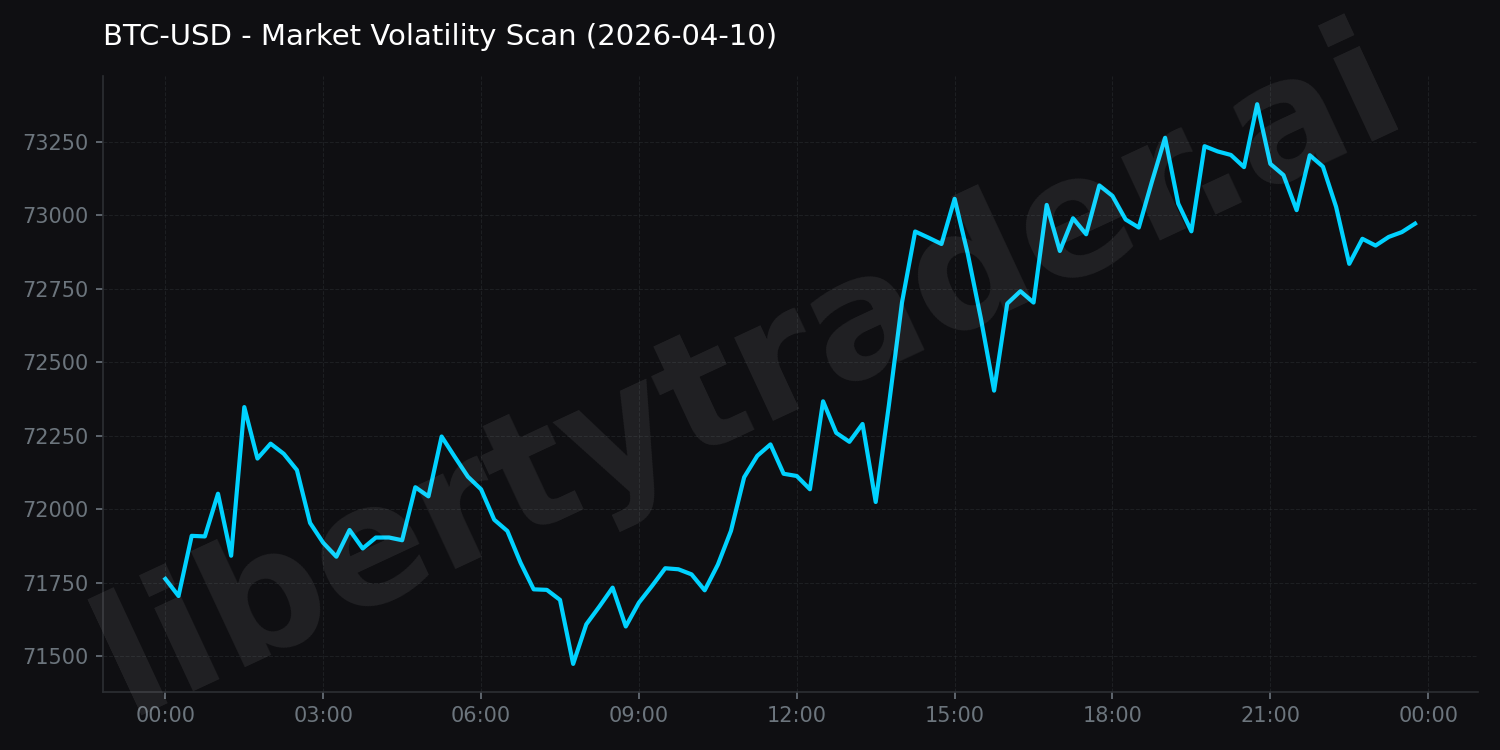
Bitcoin stayed the anchor for overall sentiment. Price action suggested that dip buyers were still defending key areas, but the market did not behave like a one-way momentum chase. Instead, BTC spent much of the week proving whether support could hold after each retracement. That is usually a healthier sign than pure vertical expansion, but it also means traders need to respect the risk of failed continuation if volume starts fading near resistance. For now, Bitcoin still looks like the benchmark for directional confidence across the complex.
Ethereum was comparatively more sensitive to rotation and relative-strength questions. ETH followed Bitcoin’s broader tone, but its own structure looked more dependent on whether buyers could maintain pressure after each bounce. When Ethereum leads, the market usually broadens. When it lags, traders become more selective and focus back on Bitcoin dominance. This week leaned closer to the second case at times, which kept enthusiasm measured rather than euphoric.
Solana remained the higher-beta expression of crypto risk appetite. As usual, SOL offered stronger expansion during favorable windows, but it also carried the sharpest pullback risk when momentum cooled. That makes it attractive for active traders, but less forgiving for late entries. The key issue for Solana this week was not whether it could move fast, but whether those fast moves could hold above reclaimed levels. In several spots, that distinction mattered more than the headline percentage swings.
From a market-structure standpoint, the weekly message is fairly balanced. BTC continues to set the tone, ETH still needs cleaner relative follow-through, and SOL remains the aggressive momentum vehicle rather than the stability anchor. For next week, the focus should stay on whether Bitcoin can preserve higher support, whether Ethereum can improve participation, and whether Solana can convert bursts of strength into sustained acceptance. If those conditions align, crypto can extend constructively. If not, traders should expect another week of rotation, failed breakouts, and selective opportunity instead of broad trend clarity.