Your cart is currently empty!
Pre-Market Briefing & Execution Log | 2026-10-27
Part 1: Previous Session Recap
Yesterday’s session was busy but not especially forgiving. We closed 25 trades across FX, metals, and equity indices, with 15 winners and 10 losers. The win rate looked acceptable on paper, but the net result was -413.6 pips, which tells the more important story: losses were larger than the average wins, and the market did not reward broad exposure.
GBP crosses, index trades, XAUUSD, and several AUD and CHF pairs were active on the book. The spread across so many instruments also matters. In choppy conditions, too much diversification can become noise rather than protection. The session was a reminder that trade selection and position sizing remain more important than simply being right more often than wrong.
From a market-structure perspective, the tone was uneven. Equity indices remained sensitive to intraday momentum shifts, while FX pairs showed rotation rather than clean continuation. For today, the key adjustment is straightforward: reduce unnecessary exposure before high-impact events, wait for confirmation, and avoid chasing the first move after the release.
Part 2: Today’s Outlook & Watchlist
The main risk window is concentrated in the Asia-Pacific session. At 20:30 UTC, Australia releases monthly CPI, yearly CPI, and trimmed mean CPI. Thirty minutes later, New Zealand delivers the Official Cash Rate, the RBNZ Rate Statement, followed by the press conference at 22:00 UTC. That is a tight cluster of high-impact news, and it can easily produce sharp moves in AUD and NZD pairs.
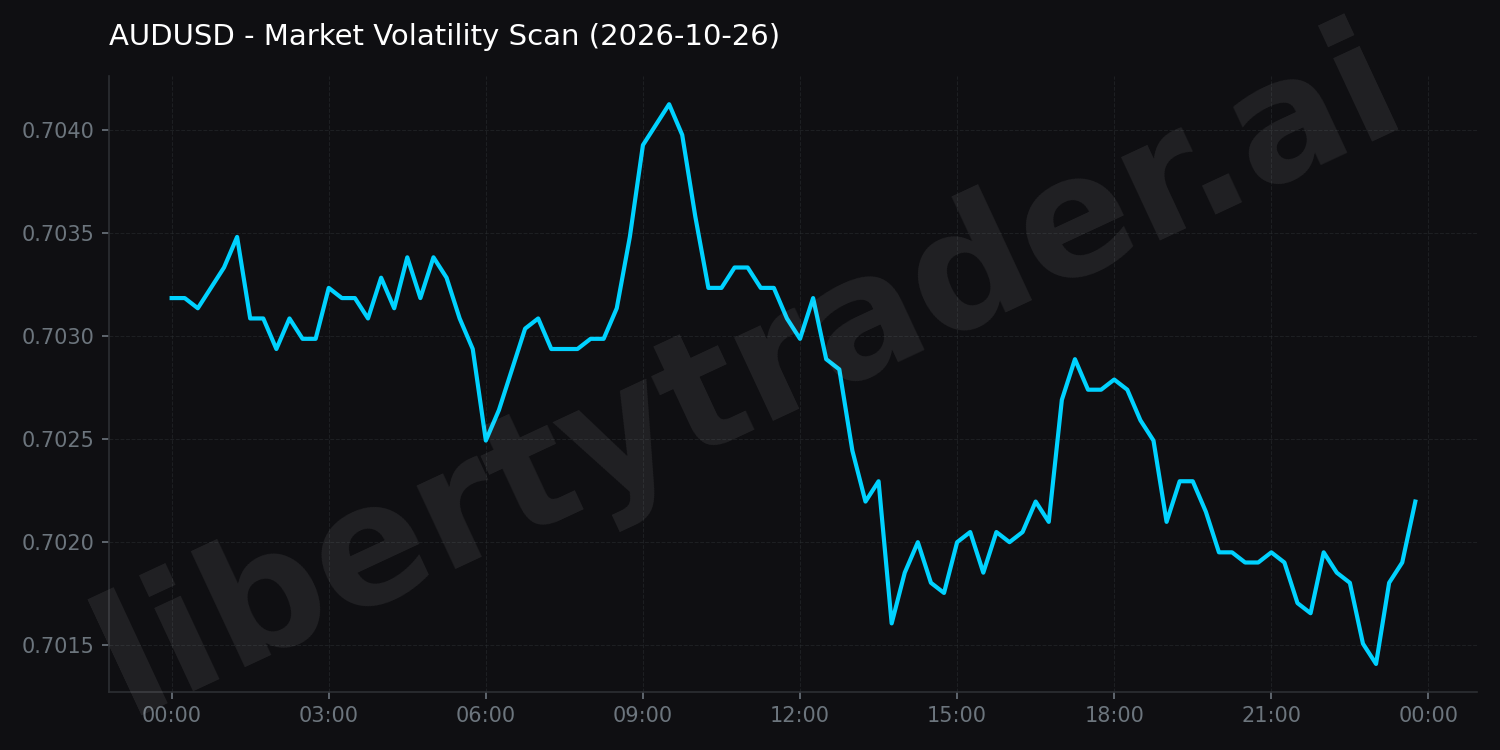
AUDUSD is the first asset on watch. A hotter Australian CPI print could support the Aussie if traders price in a more cautious Reserve Bank of Australia path. A softer number would likely pressure AUDUSD, especially if the pair is already trading below short-term support before the release. The cleaner setup is not to predict the data, but to watch whether price holds or rejects the first reaction zone after liquidity returns.
NZDUSD is the second asset to monitor. The RBNZ decision is important, but the rate statement and press conference may matter more if the headline decision is widely expected. Any shift in language around inflation persistence, growth pressure, or future policy flexibility could drive a repricing. NZD pairs can move aggressively around RBNZ events, so wider spreads and fast slippage should be assumed rather than treated as an exception.
Our plan is to keep risk tight and avoid oversized positions into the release window. If volatility expands cleanly, we will look for continuation after confirmation. If the first move reverses quickly, standing aside is a valid trade decision. After yesterday’s negative net result, the priority is discipline, not revenge trading.