Your cart is currently empty!
Global Macro Weekly Outlook & Execution Log | 2026-10-25
Part 1: Weekly Performance Recap
Last week was a modestly positive but not especially clean trading week. The desk closed 62 trades with 34 winners and 28 losers, finishing at +18.3 net pips across AUDUSD, NAS100, GBPCHF, CADCHF, GBPJPY, US30, NZDCHF, EURUSD, USDJPY, EURNZD, USDCAD, US500, EURAUD, XAUUSD and NZDCAD.
The win rate was acceptable at roughly 55%, but the result tells the more important story: conditions rewarded selectivity more than aggression. Indices, yen pairs and gold all offered movement, but follow-through was uneven and several intraday rotations forced tighter trade management. In that type of tape, avoiding emotional re-entry is often as valuable as catching the first move.
From a risk perspective, the week was constructive because the account stayed positive despite a fairly broad instrument mix. Still, +18.3 pips over 62 trades is not a margin that justifies complacency. The focus going into the new week should be cleaner execution, fewer marginal setups around news, and better patience when volatility expands without structure.
Part 2: Global Macro Weekly Outlook
This is a heavy central bank and inflation week, so traders should expect wider spreads, sharper repricing and less reliable technical levels around the release windows. Sunday preparation matters here: mark the event times, reduce unnecessary exposure before the major decisions, and avoid assuming that the first spike is the real direction.
Australia and New Zealand open the macro calendar. On 27 October at 20:30 UTC, Australia releases CPI m/m, CPI y/y and Trimmed Mean CPI m/m. AUD pairs may react strongly because the trimmed mean is usually the cleaner read on underlying inflation pressure. A hot print would likely support the Australian dollar on rate-expectation grounds, while a softer inflation set could pressure AUD crosses, especially if risk sentiment is already fragile.
At 21:00 UTC the same day, New Zealand has the Official Cash Rate and RBNZ Rate Statement, followed by the RBNZ Press Conference at 22:00 UTC. NZD volatility can stay elevated well beyond the headline rate decision because the market will be focused on forward guidance, inflation language and any shift in the bank’s tolerance for weaker growth. NZDCHF, NZDCAD and EURNZD are worth watching, but position size needs to reflect the risk of whipsaw conditions.
Wednesday brings fiscal and North American policy risk. The UK Annual Budget Release at 08:30 UTC can move GBP pairs through growth, tax and borrowing expectations. GBPJPY and GBPCHF may be particularly sensitive if the budget changes the market’s view on UK yields or fiscal credibility.
Canada follows at 09:45 UTC with the BOC Monetary Policy Report, Rate Statement and Overnight Rate, then the BOC Press Conference at 10:30 UTC. For USDCAD, the policy tone may matter more than the rate itself. Traders should watch how the Bank of Canada balances inflation progress, household stress and the currency impact from broad USD moves.
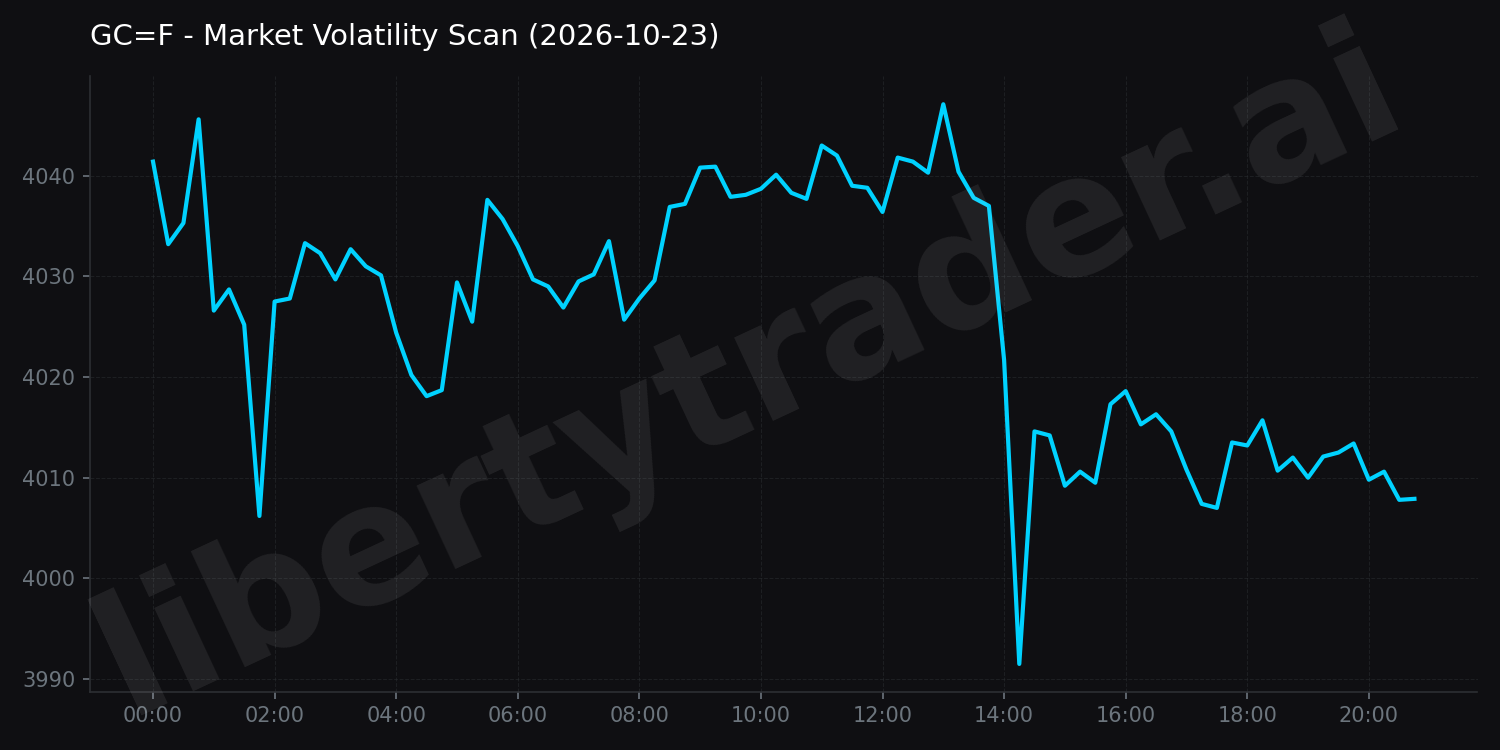
The main event is the Federal Reserve at 14:00 UTC with the Federal Funds Rate and FOMC Statement, followed by the FOMC Press Conference at 14:30 UTC. This is the key risk event for USD, gold, NAS100, US30 and US500. If the Fed leans more restrictive, yields may firm and pressure risk assets. If the message is more balanced or dovish, equities and gold could find support, but the reaction will depend on whether the market believes the Fed has room to ease policy expectations.
Thursday keeps the pressure on with US growth, inflation, the ECB and the BOJ. At 08:30 UTC, the US releases Advance GDP q/q and Core PCE Price Index m/m. This combination is important because it speaks to both sides of the Fed’s mandate: growth momentum and inflation persistence. A strong GDP number with sticky PCE could complicate any dovish interpretation from the prior Fed meeting.
At 09:15 UTC, the ECB releases the Main Refinancing Rate and Monetary Policy Statement, followed by the ECB Press Conference at 09:45 UTC. EURUSD, EURAUD and EURNZD may see sharp movement depending on whether the ECB frames inflation as contained or still requiring caution. As always with ECB days, the press conference can reverse the initial move.
Japan closes the week of major policy risk with the BOJ Policy Rate, Monetary Policy Statement and Outlook Report at 22:30 UTC on 29 October, followed by the BOJ Press Conference at 01:30 UTC on 30 October. USDJPY and GBPJPY remain vulnerable to sudden repricing if the BOJ adjusts its inflation outlook or signals a change in policy normalization. Yen pairs can gap through liquidity pockets, so protective stops should be placed with realistic distance rather than convenience.
Weekend crypto note: Crypto markets remain open while traditional markets are closed, but weekend liquidity can be thinner and more reactive to headlines. Bitcoin and Ethereum often provide an early read on speculative appetite, but weekend moves should not be overtrusted until futures, FX and equity liquidity return. If crypto rallies into Monday without confirmation from broader risk assets, treat it as information rather than a full signal. If it sells off on thin liquidity, watch whether stablecoin flows and major support areas hold before assuming a broader risk-off week.
Bottom line: this is not a week for oversized positions or casual entries. The calendar is dense, the policy path is live across multiple economies, and correlations can break quickly. The best trading opportunities will likely come after the first wave of event volatility, when price has shown where institutions are willing to defend levels.