Your cart is currently empty!
Pre-Market Briefing & Execution Log | 2026-06-04
Part 1: Previous Session Review
Yesterday was a defensive session for the desk. The recap showed 4 trades, no winners, 3 losses, and a net result of -96.9 pips. The uneven count does not change the message: execution did not find clean follow-through, and the market punished entries that needed immediate confirmation.
The losses came across a mixed set of markets, which suggests the issue was less about one single pair and more about conditions. Price action was choppy, directional conviction was limited, and several moves failed to extend after the initial trigger. On days like that, the priority is not to force a recovery. The priority is to cut size, respect the daily damage, and wait for cleaner structure.
From a process perspective, the key takeaway is simple: after a -96.9 pip session, today starts with tighter selectivity. We want fewer trades, better locations, and confirmation around scheduled event risk rather than chasing volatility after it has already expanded.
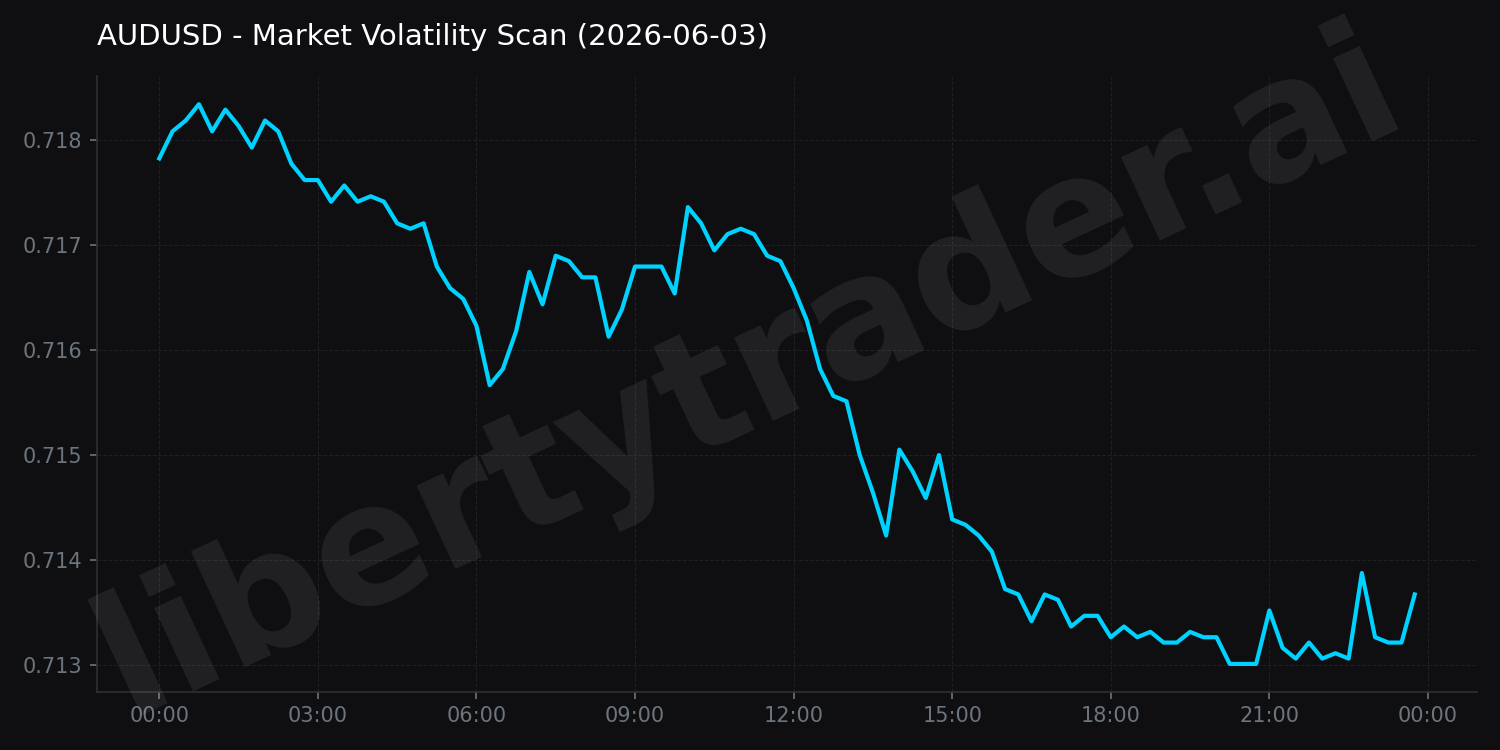
Part 2: Today’s Outlook & Watchlist
The calendar is focused on central bank communication. At 01:00 UTC, RBA Governor Bullock speaks, followed by BOE Governor Bailey at 11:40 UTC. These are not data releases, but they can still move markets quickly if the tone shifts on inflation, wages, growth, or the timing of future policy adjustments.
AUDUSD is the first watch. Bullock’s remarks may matter if she leans against rate-cut expectations or highlights sticky domestic inflation. A hawkish tone could support the Australian dollar, but we need confirmation through price holding above short-term resistance rather than reacting to the first spike.
GBPUSD becomes the main focus into Bailey’s speech. Sterling has been sensitive to any change in guidance around inflation persistence and the pace of easing. If Bailey sounds cautious on cuts, GBPUSD may find support; if he opens the door to easier policy, downside pressure can build. The best approach is to let the first reaction clear, then judge whether price is accepting the move or simply fading it.
Given yesterday’s drawdown, the plan is controlled risk. No need to predict every headline. We trade the reaction, keep stops honest, and avoid adding exposure during the first burst of speech-driven volatility.